




Tummy Tucker Size Guide for Men: How to Choose the Right Fit
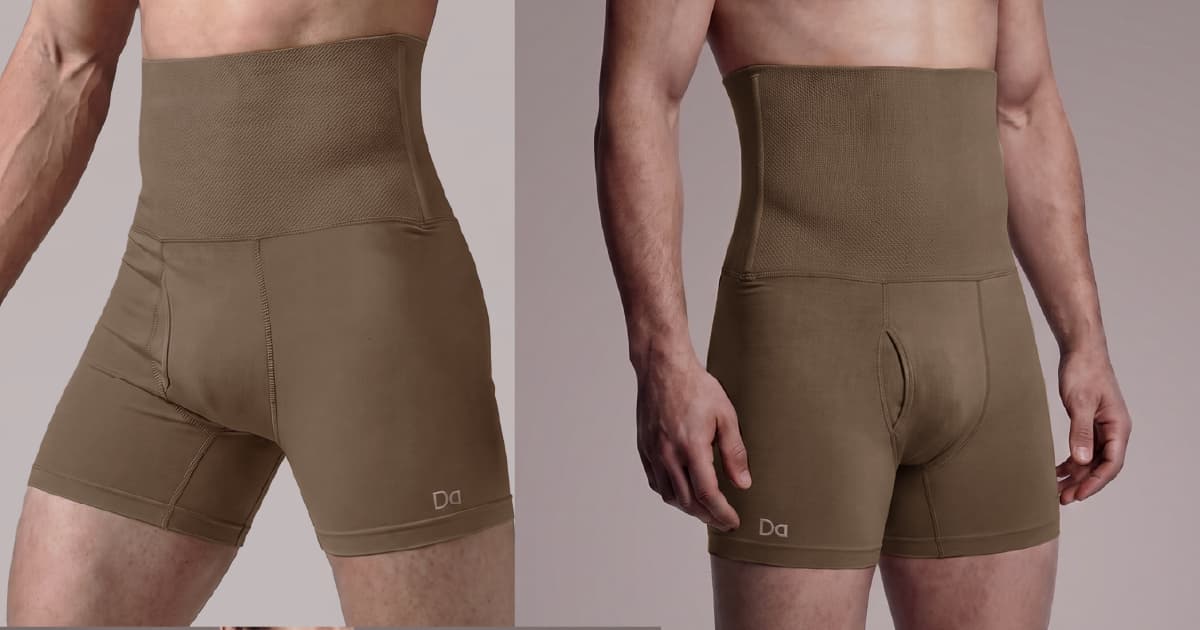
Buying a tummy tucker is not really about finding the tightest option. It is about finding one that gives you the right amount of compression while still letting you sit, move, and breathe comfortably.
This is where sizing becomes important. A tummy tucker that is too tight can feel restrictive and may create bulges around the edges. One that is too loose may not provide the smoothing effect you are looking for.
So, before choosing a size, it helps to know exactly what to measure and how the garment should feel once you put it on.
What Is a Tummy Tucker?
A tummy tucker is a compression garment designed to smooth the stomach and waist area under clothing. It is usually made from stretchable fabric that fits closely around the body and creates a more streamlined appearance.
Unlike regular underwear, this style focuses on compression. The garment is designed to hold the midsection more firmly, which can help shirts and other fitted clothes sit more smoothly.
The Form Shapewear range includes tummy tucker trunks and shapewear vests, so the right choice depends on how much of your torso you want to cover.
How to Choose Tummy Tucker Size
Choosing the right tummy tucker size is easier when you use actual measurements rather than your usual trouser or T-shirt size. Here is a simple way to get started:
1. Measure Your Waist
Take a soft measuring tape and wrap it around your natural waist. Keep the tape comfortably snug without pulling it into your skin.
Try to measure without sucking in your stomach. You want your normal measurement because that is what the garment needs to accommodate.
2. Measure Your Chest for Vest Styles
If you are choosing a vest rather than a tummy tucker trunk, measure around the fullest part of your chest.
Keep the tape straight across your back and avoid pulling it too tightly. This measurement can help you find a better overall fit for a full-torso garment.
3. Measure Your Hips When Required
For styles that extend further down the body, your hip measurement may also matter. Measure around the fullest part of your hips and make sure the tape remains level.
4. Compare Your Measurements With the Size Chart
Once you have your measurements, check the size chart for the specific product you want to buy.
This step matters because shapewear sizing is not always the same as your regular clothing size. A Medium T-shirt, for example, does not automatically mean you need a Medium tummy tucker.
5. Do Not Size Down for More Compression
It can be tempting to choose a smaller size because you assume tighter means better shaping. It does not work that way.
The garment should provide firm, even compression without making normal movement or breathing difficult. If you fall between two sizes, the larger option is generally the safer choice for comfort.
Men's Tummy Tucker Sizing Guide: Size Chart
Use the waist measurement below as a starting point when choosing a men's tummy tucker sizing guide. Always check the individual product page before placing your order.
| Size | Waist (Inches) | Waist (CM) |
| S | 28 to 30 | 71 to 76 |
| M | 32 to 34 | 81 to 86 |
| L | 36 to 38 | 91 to 97 |
| XL | 40 to 42 | 102 to 107 |
| XXL | 44 to 46 | 112 to 117 |
| 3XL to 4XL | 48 and above | 122 and above |
The Form Shapewear range is available in sizes S to 4XL. However, do not rely on the range alone when choosing your size. Check your measurements against the exact chart on the tummy tucker product page, as the fit can differ between styles.
Common Tummy Tucker Sizing Mistakes to Avoid
Most sizing problems are easy to avoid once you know what to look for. Here are some of the mistakes worth keeping in mind:
- Choosing a smaller size for stronger compression: Extra tight does not automatically mean extra shaping. It can make the garment uncomfortable and create noticeable lines or bulges.
- Going by your usual clothing size: Use your body measurements instead. Shapewear is designed to fit differently from everyday clothing.
- Measuring over thick clothes: A sweatshirt or pair of jeans can add several centimetres to your measurement. Measure against the body or over a thin layer.
- Ignoring the garment's compression level: Two products in the same size can feel very different if one provides stronger compression. Consider this when choosing your first shapewear garment.
- Focusing only on the number on the label: A good fit is ultimately about how the garment feels and sits on your body, not whether the label says S, M, L, or XL.
How Should a Tummy Tucker Fit?
You should notice the compression when you put it on, but it should not become the first thing you notice throughout the day.
A well-fitted tummy tucker should:
- Sit securely around the waist without constantly rolling down.
- Smooth the midsection without creating noticeable bulges around the edges.
- Allow you to sit, walk, bend, and move normally.
- Feel firm without making breathing uncomfortable.
- Stay relatively smooth under your outer clothing.
- Hold its position instead of bunching up during movement.
You can also do a simple test. Wear it for a short period at home and move around normally. Sit at your desk, walk around, and bend down. If you constantly adjust it or feel pressure in one area, the size or style may not be right for you.
How Long Should You Wear a Tummy Tucker?
You don't need to start by wearing shapewear all day.
If this is your first time using a tummy tucker, wear it for a shorter period and see how your body responds. Once you know the fit is comfortable, you can gradually increase the time according to the product's recommended usage.
The important thing is not to treat discomfort as something you simply have to tolerate. If you experience pain, numbness, difficulty breathing, or significant skin irritation, remove the garment and reassess the fit.
It is also best to avoid wearing shapewear overnight.
Tummy Tucker vs Other Everyday Innerwear: What Should You Choose?
The right base layer depends on what you are trying to achieve.
A tummy tucker makes sense when your priority is smoothing and shaping the midsection under a fitted outfit. It is especially useful for occasions when you want a cleaner silhouette.
For regular everyday wear, however, you may not need that level of compression. A comfortable pair of trunks can be a better choice when your priority is support, movement, and everyday comfort.
Similarly, if you simply need a lightweight layer under a shirt, cotton vests can do the job without the added compression.
So, the choice is less about which one is better and more about what you need from your inner layer that day.
Frequently Asked Questions
What size tummy tucker should I buy if I am between two sizes?
If your measurement falls between two sizes, choosing the larger size is generally more comfortable. You should still get firm support, but without excessive pressure or restricted movement.
Does tummy tucker sizing follow regular trouser sizing?
Not necessarily. Tummy tucker sizing is usually based on actual body measurements, particularly the waist. Your regular trouser size can be a useful reference, but it should not replace the product's size chart.
How tight should a tummy tucker feel?
It should feel snug and supportive rather than painful or restrictive. You should be able to breathe normally, sit comfortably, and move without constantly adjusting the garment.
Can a tummy tucker permanently reduce my waist size?
No. A tummy tucker provides a temporary shaping effect while you are wearing it. It can make your midsection appear smoother, but it does not permanently reduce body fat or change your waist measurement.
What is the difference between a tummy tucker trunk and a shapewear vest?
A tummy tucker trunk mainly focuses on the stomach and waist area and has a trunk-style design. A shapewear vest provides compression across a larger part of the torso, including the chest and back.
If you only want midsection shaping under your clothes, a trunk may be enough. If you want more coverage across the upper body, a vest may be a better fit.
Can I wear a tummy tucker every day?
You can wear shapewear regularly if it fits correctly and stays comfortable. If you are new to compression wear, start with shorter periods, and always follow the care and usage instructions provided with the product.