




11 Dec 2024
How to Layer Clothes for Winter: The Essential Guide for Men
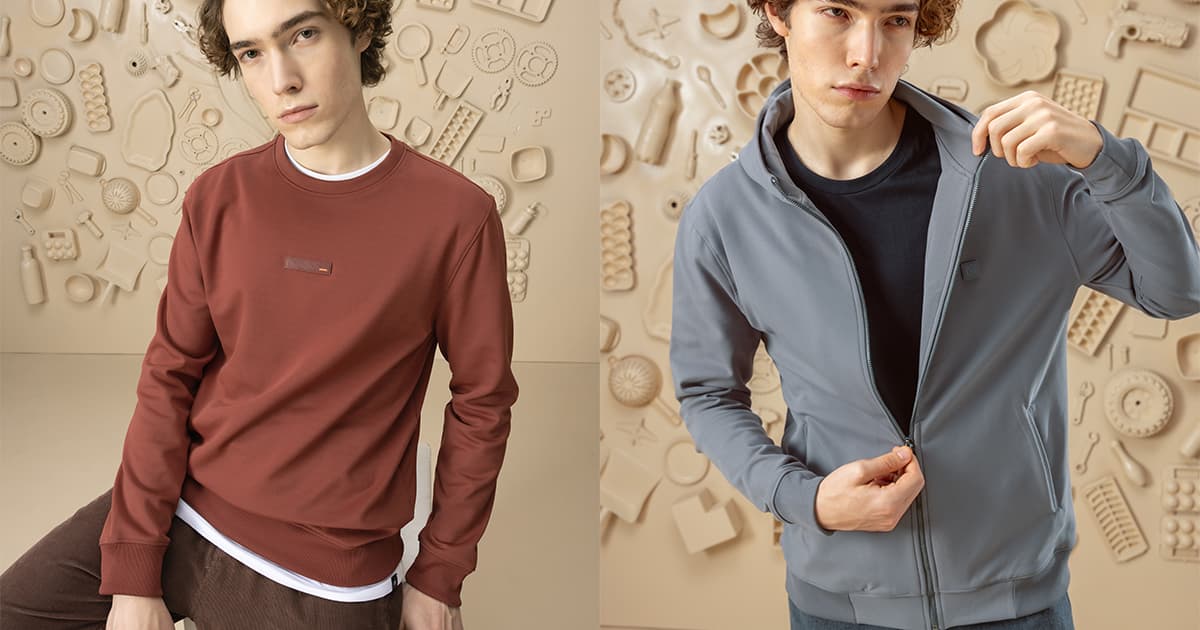
To layer clothes for winter, wear three layers: a moisture-wicking base layer (merino wool or polyester) next to your skin, an insulating mid layer (fleece, wool or down) to trap heat, and a windproof, waterproof outer layer to block the elements. Most Indian winters need two to three layers, while Himalayan or sub-zero conditions need all three plus accessories. Staying warm and looking sharp requires layering clothes for winter, a skill every man should master.
Whether heading to work, hiking through snow, or meeting friends for coffee, you need to learn how to layer clothes for winter. Let’s discuss this in this blog.
Why Layering Matters
Layering isn’t just about warmth—it’s about balance. You sweat under heavy jackets or freeze in light coats without proper layering. Learning how to layer clothes for winter helps you stay comfortable, regulate your body temperature, and look polished.
Think about it. Do you want to overheat and sweat only to freeze when the wind hits? Or do you want to handle everything from mild cold to harsh Himalayan chills confidently? Grasping how to dress in layers for winter ensures you’re prepared for anything.
How Many Layers Do You Need for Cold Weather?
The number of layers for cold weather depends on the temperature and how active you are. As a rule, use one or two layers above 15°C, two to three layers between 5°C and 15°C, and three layers plus accessories at or below 5°C.
- 15°C and above (Delhi, Mumbai, Bengaluru winters): one light layer plus a sweater or light jacket.
- 5°C to 15°C (Delhi cold waves, Jaipur, Lucknow): thermal base layer, fleece or sweater mid layer, and a light jacket.
- Below 5°C (Shimla, Manali, Leh): merino base layer, fleece or down mid layer, and a waterproof, windproof outer shell, with hat, gloves and wool socks.
The Three-Layer System
Mastering how to layer clothes for winter starts with the three-layer system: base, mid, and outer layers. Each serves a specific purpose, but together, they create the ultimate cold-weather defence.
1. Base Layer: Stay Dry
The base layer sits closest to your skin. It wicks sweat away to keep you dry and prevent chills.
Best Materials: Merino wool and synthetic fabrics like polyester work best. They wick moisture, trap heat, and stay lightweight. Avoid cotton, as it holds sweat and makes you cold.
When to Use It: Wear a base layer in freezing temperatures or during any outdoor activity. A lightweight base layer works great for mild days when planning your winter layering outfits. For colder conditions, thermal wear for men provides an additional layer of insulation beneath everyday clothing.
2. Mid Layer: Trap Heat
The mid-layer provides insulation. It traps your body heat while allowing moisture to escape.
Best Options: Fleece, wool sweaters, crew neck sweatshirts, and hoodies work well as mid layers. Sweatshirts and hoodies provide comfortable warmth for everyday winter outfits, while fleece is lightweight and breathable, making it ideal for active days. Down jackets deliver additional insulation in extremely cold conditions.
Fit Tip: Leave some room for air between your layer so the trapped air insulates you. This is a fine skill if you’re concerned about how to layer clothes for winter.
3. Outer Layer: Weather Protection
The outer layer protects you from wind, rain, and snow. Think of it as your first line of defence.
Features to Look For: Choose winter outerwear that offers protection against the cold while allowing comfortable movement. For harsh weather conditions, opt for waterproof, windproof, and breathable jackets. Gore-Tex and similar materials are ideal for protection against rain and snow.
Why It’s Essential: A good outer layer locks out the elements and prevents sweat from soaking your layers underneath. This completes your strategy for how to layer winter outfits.
Selecting the Right Materials
Awareness of which fabrics work best is critical for mastering how to layer clothes for winter. In this connection, each layer benefits from specific materials:
- Base Layer: Merino wool offers softness, odour resistance, and temperature regulation. Synthetic fabrics dry quickly and perform well during high-intensity activities.
- Mid Layer: Fleece is lightweight and versatile but struggles in wet conditions. Down jackets provide exceptional insulation but require a waterproof outer layer to stay effective.
- Outer Layer: Waterproof jackets with taped seams and adjustable hoods keep you dry and warm. Breathable materials prevent overheating during activity, which is a no-brainer when considering how to layer clothes for cold weather.
How to Layer Clothes for Winter Based on Weather
Not all winter days are the same. Here’s how to adapt your layers to the conditions for the best results:
- Mild Winter Days
- Lightweight base layer.
- A cosy sweater or light fleece. Alternatively, crew neck sweatshirts can provide comfortable warmth as a casual mid-layer without adding unnecessary bulk.
- Water-resistant jacket.
- Moderate Cold
- Thermal base layer.
- Thicker mid-layer like a fleece or insulated jacket.
- Waterproof shell to handle light rain or snow.
- Extreme Cold
- Heavy-duty thermal base layer.
- A down jacket or multiple mid-layers are needed for added insulation.
- Fully waterproof and windproof outer layer.
These tips allow you to assemble winter layering outfits for mild conditions or prepare for harsher climates. In other words, you’re ready for anything winter has to offer.
How to Layer Clothes for Winter in India
Indian winters vary sharply by region, so one outfit rarely fits all.
- North Indian plains (Delhi, Punjab, UP): mornings and nights can drop to 3°C to 8°C with fog, but afternoons warm up. Use a thermal base, a sweater or sweatshirt, and a light jacket you can remove by midday.
- Hill stations (Shimla, Mussoorie, Nainital): expect 0°C to 10°C. Add a fleece or light down mid layer and a windproof shell.
- Himalayan and snow regions (Manali, Leh, Auli): go below freezing. Use the full three-layer system with a merino base, down mid layer, waterproof shell, and insulated gloves.
- Southern and coastal cities: a single light layer or sweater is usually enough for winter mornings.
How to Layer Your Legs and Feet
Your lower body needs layers too. Wear thermal leggings or long johns under jeans or wool trousers in temperatures below 10°C, and add waterproof trousers for snow. Pair them with insulated boots and merino or wool-blend socks, and avoid cotton socks, which hold moisture and turn cold.
Accessories for Layering
Accessories complete your winter outfit and make a difference in layering clothes for winter.
- Hats: Cover your head with a beanie or thermal hat to retain body heat.
- Gloves: Choose insulated and waterproof gloves to keep your hands functional in the cold.
- Scarves: Wrap up with a wool or cashmere scarf for extra warmth and style.
- Thermal Socks: Pay attention to your feet—opt for wool or synthetic blends to keep them warm and dry.
When planning how to layer clothes for winter, incorporating thoughtful accessories can elevate your style while keeping you cosy.
Common Layering Mistakes
Even with the best intentions, mistakes happen. Avoid these pitfalls to layer like a pro:
- Overdressing: Overheating and sweating can lead to discomfort and chills once you cool down.
- Wearing Cotton: Cotton holds moisture, leaving you cold and damp.
- Neglecting Extremities: Forgetting hats, gloves, or socks sacrifices warmth no matter how well you layer your core.
Remembering these missteps will keep your winter layering outfits functional and effective.
Layering Tips for Active Men
If you’re always on the move, layering gets tricky. These tips ensure you stay comfortable while active:
- Shed Layers When Needed: If you sweat, remove a layer to cool down.
- Use Ventilation: Look for jackets with zippered vents for better airflow.
- Prioritise Mobility: Choose layers that let you move freely—tight or stiff clothing won’t cut it.
Flexibility is key when figuring out how to dress in layers for winter without sacrificing performance or comfort.
Why Style Matters
Layering isn’t just about warmth—it’s an opportunity to look good. Follow the thin-to-thick rule: wear the thinnest, most fitted piece next to your skin and make each layer slightly larger than the one beneath it. Two reliable formulas:
- Office: thermal base, shirt, merino sweater, tailored overcoat in charcoal or navy.
- Casual weekend: henley or long-sleeve tee, crew neck sweatshirt, and a bomber or puffer jacket in olive or black.
Keep the base and mid layers in neutral tones such as grey, navy and black, and let the outer layer carry the colour.
When you master how to layer clothes for winter, you blend practicality and fashion effortlessly. People notice—and you feel more confident.
Final Thoughts
Mastering how to layer clothes for winter empowers you to stay warm, comfortable, and stylish in any weather. By practising the three-layer system, you can confidently face the cold. Before that, choose the right materials and dress for specific conditions.
Whenever you step out, make sure your layers keep you warm, comfortable, and stylish. Explore DaMENSCH’s men's winterwear collection to find comfortable base layers, versatile mid layers, and stylish outerwear for your everyday winter outfits.
FAQs
What are the best clothing materials for winter?
The best clothing materials for winter include Wool, down, fleece, polyester, nylon, merino wool, cashmere, Gore-Tex, silk, and flannel for effective layering and protection.
What outfits should I have in winter?
For winter, you should prioritise having hoodies, sweaters, blazers, overcoats, thermal shirts, denim jackets, trench coats, cardigans, puffer jackets, parkas, leather jackets, turtlenecks, fleece jackets, quilted vests, and wool coats.
Does layering cause sweat in winter?
Yes, improper layering can cause sweat in winter. Overdressing or using non-breathable fabrics traps heat and moisture, leading to sweat. Proper layering with breathable materials is necessary to avoid sweat and be comfortable.
How should I wear formal clothes in winter?
Wear formal clothes in winter by layering thermals under your shirt. Add a tailored blazer or suit and finish with an overcoat. Wool trousers, leather shoes, and subtle accessories provide extra warmth.
How many layers should I wear in winter?
Most men need two to three layers in winter: a base layer, a mid layer and, below about 10°C, a waterproof outer layer. In milder Indian winters above 15°C, a base layer and a sweater or light jacket is enough. Add layers as the temperature drops or wind increases.
How do I layer clothes without looking bulky?
Use thin, fitted fabrics close to the body and save bulk for the outer layer. Choose a slim merino or thermal base, a fitted fleece or sweater, and a structured jacket sized to fit over them. Stick to two or three neutral colours so the outfit looks streamlined.
What should a winter base layer fit like?
A winter base layer should fit snugly against the skin without feeling tight, so it can wick sweat away. Choose lightweight fabric for mild Indian winters, midweight for 5°C to 10°C, and heavyweight merino for sub-zero trips. A loose base layer leaves air gaps and stops it from wicking.